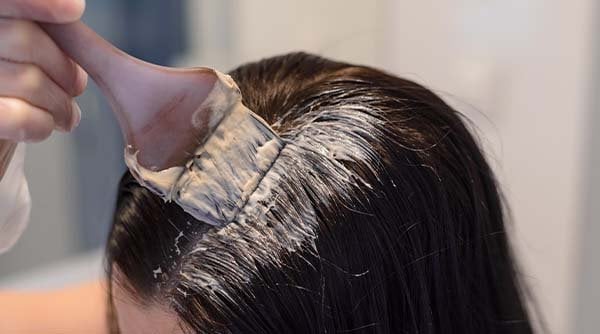


How To Color Hair Without Damage
Does hair color damage hair? It can, especially when hair is exposed to frequent coloring, bleaching, or harsh chemical treatments. However, this doesn't mean you have to give up on coloring your hair. With the right formula and a little extra care, you can color hair without damage or, at the very least, minimise the risk of dryness, breakage, and loss of shine.
If you're wondering can hair color damage hair, the answer depends on factors such as the type of color you use, how often you color, and how you care for your hair afterwards. From choosing a nourishing formula to protecting your colored hair, here are some simple ways to enjoy your favorite shades while keeping your hair looking healthy.
How To Color Hair Without Damage
- Choose an Ammonia-Free Nourishing Hair Color – Choose an ammonia free hair color with nourishing ingredients such as Natural Oils and Keratin to support softer, smoother and shinier-looking hair.
- Choose the Right Type of Hair Color – Choose permanent, semi-permanent or temporary color based on how long you want it to last, the level of change you want and your preferred maintenance.
- Avoid Unnecessary Bleaching – Choose shades that work with your existing hair color, such as browns, reds, burgundy or black, to change your look without necessarily requiring bleaching.
- Use Color-Protect Shampoo and Conditioner – Use shampoo and conditioner designed for colored hair to help maintain your color while keeping your hair soft and manageable.
Does Hair Color Damage Hair?
Hair coloring can affect the hair, particularly with frequent use or when combined with bleaching and other chemical treatments. It may leave hair feeling dry or make it more prone to breakage if it isn't cared for properly.
The good news? Choosing the right formula and following a proper after-care routine can help minimise these effects. If you're looking for hair color without damage, focus on nourishing formulas, avoid unnecessary bleaching, and give your hair the care it needs before and after coloring.
4 Ways to Color Hair Without Damage
Here are four simple ways to enjoy colored hair while helping maintain its smoothness, strength, and shine.
1. Choose an Ammonia-Free Nourishing Hair Color
If you're concerned about damage, start by paying attention to the formula you choose. An ammonia free hair color can be an option if you want to color your hair while also focusing on hair care.
Look for formulas enriched with nourishing ingredients such as oils and Keratin. These can help leave hair feeling soft and looking smooth and shiny after coloring.
Garnier Color Naturals offers a range of shades, with select formulas combining color with Natural Oils and Keratin. Some formulas are also ammonia-free and include a post-color conditioner as part of the coloring routine. With Color Naturals, you can choose a shade that suits your preferred look and coloring needs.
2. Choose the Right Type of Hair Color
Hair colors can broadly be permanent, semi-permanent, or temporary, and each works differently.
Permanent color provides longer-lasting results, while semi-permanent and temporary options are designed to fade over time. Think about how long you want your color to last, the level of change you're looking for, and how much maintenance you're comfortable with before choosing a formula.
If you're unsure about which hair color does not damage hair, remember that no coloring process can be guaranteed to cause zero damage. Instead, choose a formula suited to your hair and follow the recommended application and care instructions.
3. Avoid Unnecessary Bleaching
Bleaching can be more intensive than simply coloring your hair because it removes some of the hair's natural pigment. This can leave hair feeling dry and more prone to breakage.
If you want to color hair without damage, consider shades that work with your existing hair color instead of opting for a dramatic lightening process. Browns, reds, burgundy, and black can offer plenty of ways to change your look without necessarily requiring bleaching.
Explore different Garnier hair color shades to find a color that works with your natural hair and the look you want to achieve. You can also explore different hair coloring ideas to find a style that suits your personality and preferences.
4. Use Color-Protect Shampoo and Conditioner
Colored hair needs consistent care after the coloring process. Switch to shampoo and conditioner designed for colored hair to help maintain color and keep your hair feeling soft and manageable.
Avoid excessive heat styling and use a heat protectant when using styling tools. Protecting your hair from prolonged sun exposure can also help maintain its appearance.
How to Care for Colored Hair
Coloring is only one part of maintaining healthy-looking hair. A simple post-color routine can make a difference.
1. Wash with Color-Friendly Products
Use shampoo and conditioner formulated for colored hair to help maintain color intensity and keep your hair feeling soft.
2. Limit Heat Styling
Frequent heat styling can contribute to dryness and breakage. Use a heat protectant and keep high-heat styling to a minimum.
3. Protect Hair from the Sun
Extended sun exposure may affect the appearance of your hair color. Cover your hair when spending long periods outdoors or use suitable hair-care products.
4. Follow the Recommended Coloring Routine
Avoid coloring more frequently than recommended and always follow the product's instructions. Give your hair time between coloring sessions and maintain it with suitable hair-care products.
If you're still wondering can hair color damage hair, remember that your coloring habits and after-care routine matter. Choosing a suitable formula and caring for your hair consistently can help keep it looking smooth, shiny, and healthy.
Explore Garnier Hair Color Shades
Once you know how to care for colored hair, choosing the right shade becomes the fun part. Garnier hair color offers a range of shades, from natural-looking browns and blacks to richer burgundy and red tones. Explore Garnier's range of hair color products to find a shade that complements your skin tone and suits your style.
Always check the product packaging for the specific formula, shade, and usage instructions. You can also browse Garnier's hair color tips for expert advice on choosing the right color, coloring your hair at home, and maintaining vibrant, healthy-looking hair after every color application.